The Kotel as it’s known in Hebrew or the Western Wall is one of the last remaining structures with some link to the Second Temple and the Ark of the Covenant. That proximity has made the Wall a spiritual and historical focal point for many people.
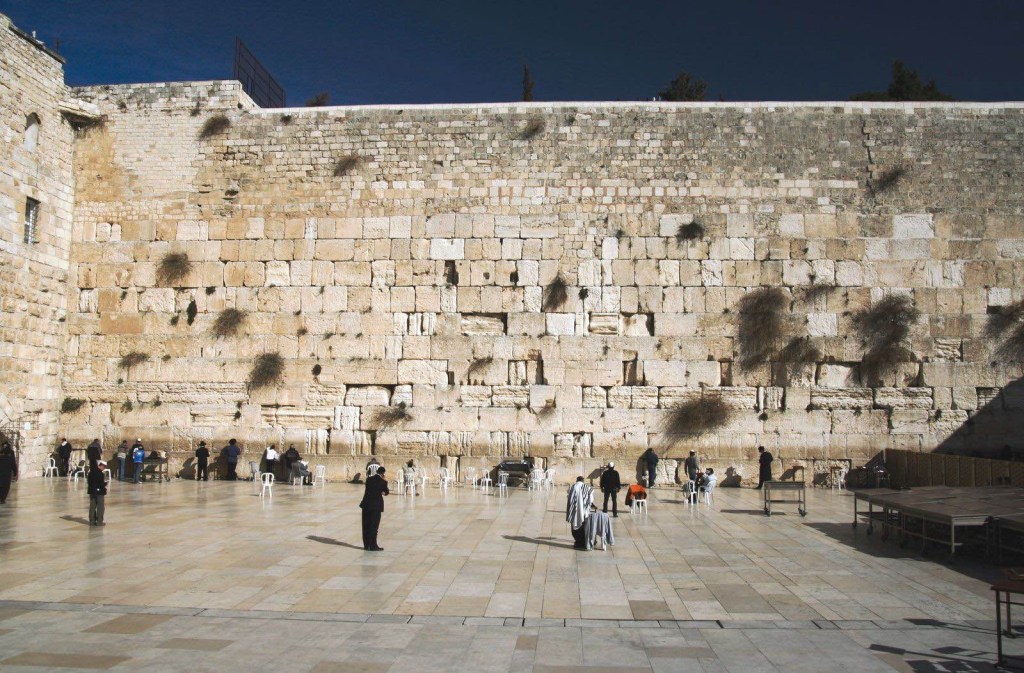
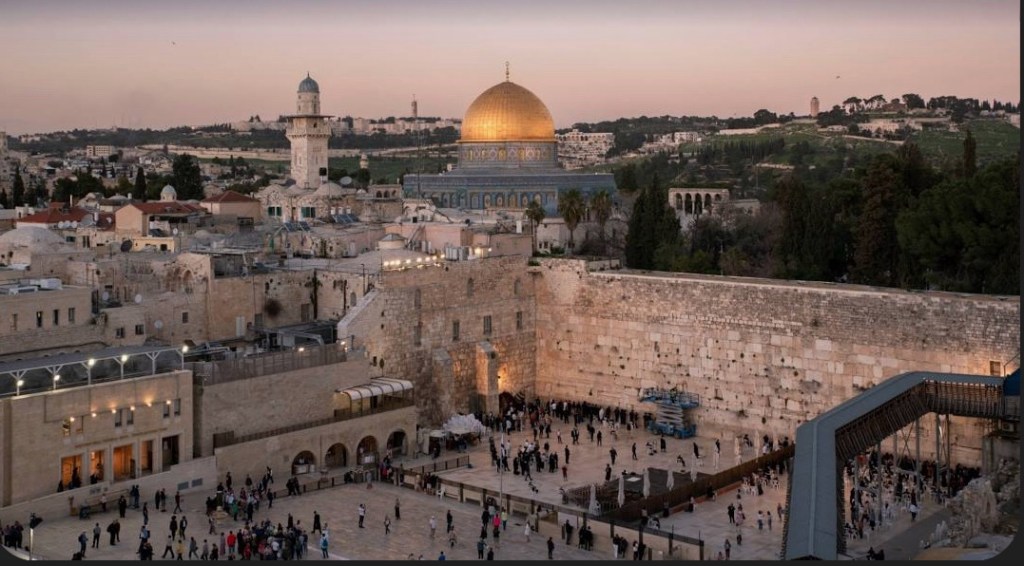
The wall itself is actually the remnant of a retaining wall built by King Herod to support the expansion of the Second Temple complex in the first century.
Throughout Jewish history, the Western Wall as the last standing connection to the original temple has been the focal point of Jewish prayer. This was especially true during the many years when Jews were barred from access by the ruling empires at the time.
The Western Wall is also called the Wailing Wall — a place where a person of any faith or creed can bare their soul by leaving a note in one of the many cracks formed by the bricks.
More than one million notes are placed in the Western Wall each year, and they are cleared out twice a year and buried in the Mount of Olives cemetery in Jerusalem.
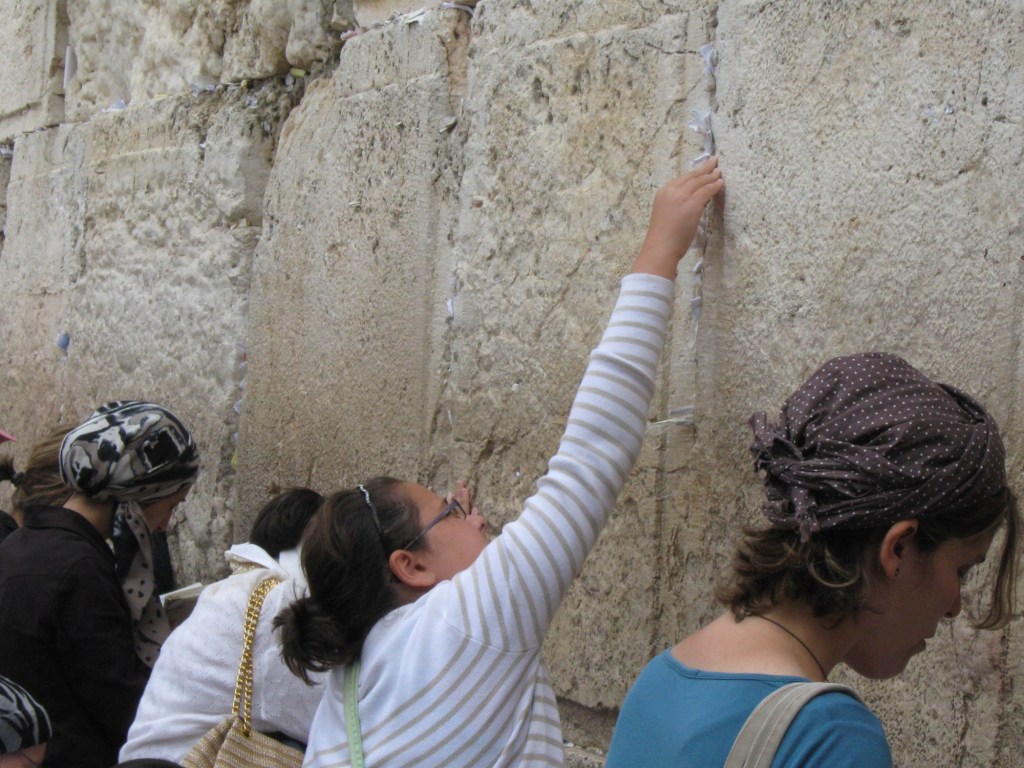
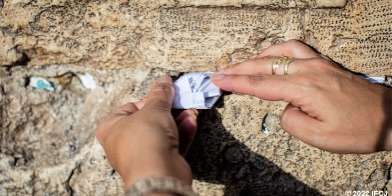
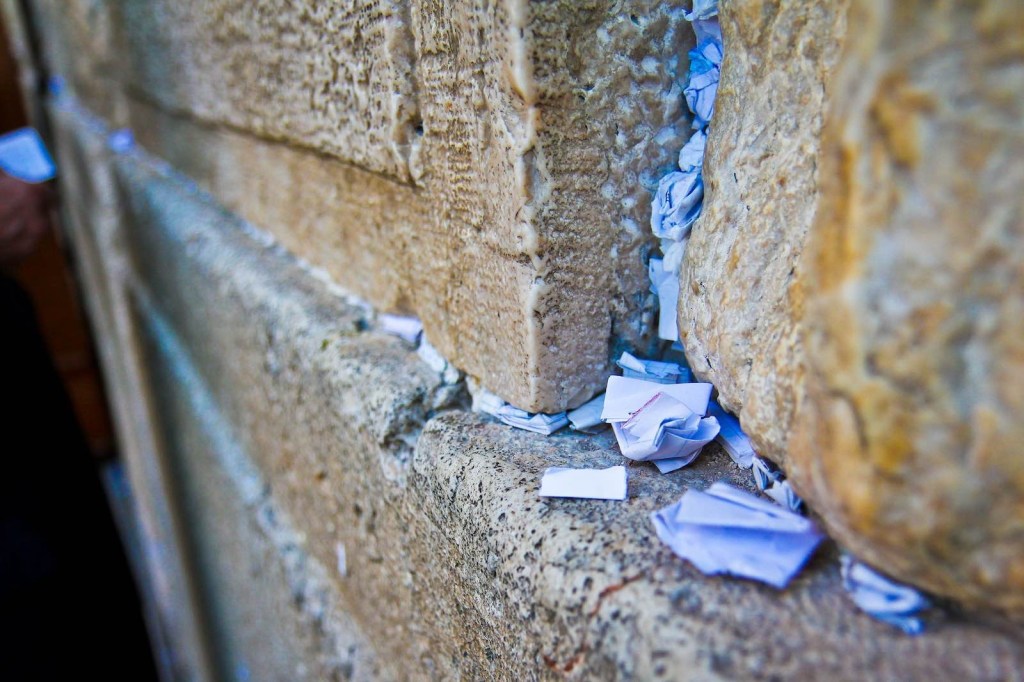
I’ve visited the Wailing Wall several times, leaving my own note as well as notes friends have given to me.
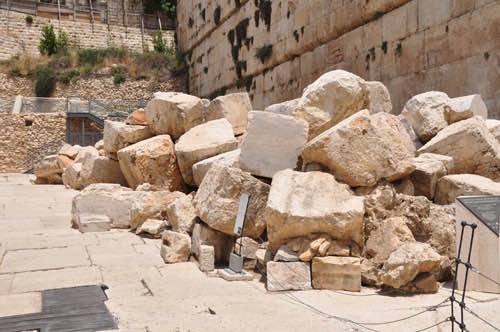
I also had my bat mitzvah in one of the many excavation sites where archaeologists are still discovering artifacts and preserving the structure.

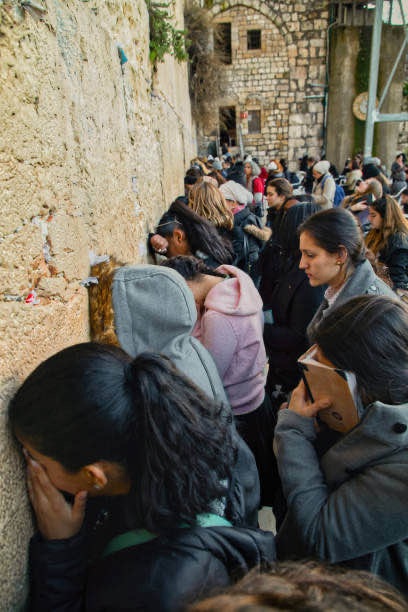
I remember being 12 and putting my hands around my eyes like the person in the foreground and reciting a prayer called the Sh’ma, which you can only do with your eyes closed.
It’s meant to express a deep yearning in your soul to connect with the root of all things. Back then, for me, the yearning I felt as I stood there the first time with my forehead against the stone was woven with the sorrow of people we had lost in suicide bombings.
I’m not the only voice among millions every year, year after year, that has silently wailed for peace.
A reminder: Deligitimizing Jewish or Palestinian connections to the homeland is a bad look. Peace is the right look. Let’s focus on that.
 Snail Ask Why
Leave a comment